

Affiliate Disclosure: This article may contain affiliate links. If you make a purchase through these links, I may earn a small commission at no additional cost to you.
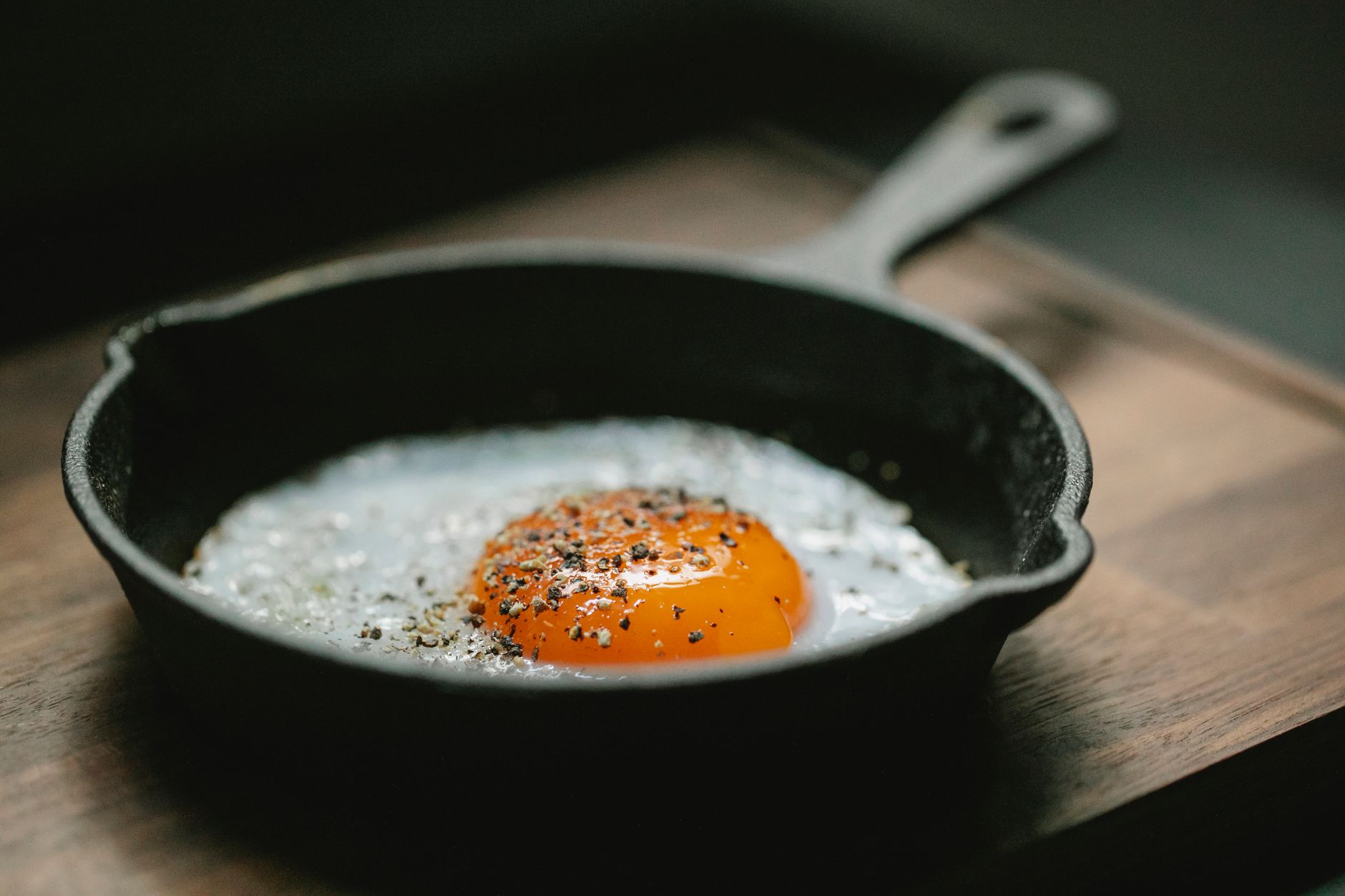
There’s something special about cooking with cast iron. Maybe it’s the sound of a steak sizzling in a well-seasoned skillet, the golden crust on a batch of homemade cornbread, or knowing that the same pan you’re using today could someday be passed down to your children.
I grew up cooking with cast iron, so it’s always been a staple in my kitchen. In fact, one of my wedding gifts was a set of cast iron skillets that had been passed down through the family. Nearly two decades later, I’m still cooking with those same skillets. Some of my favorite gifts over the years have been cast iron cookware. My sister and brother-in-law gifted us a 20-inch cast iron skillet, and with a family of seven, I can’t tell you how often we use it.
One of the things I appreciate most about cast iron is its versatility. Whether I’m cooking on the stovetop, baking in the oven, firing up the grill, or preparing a meal outdoors, it’s cookware I can count on. But beyond its versatility, there are plenty of other reasons cast iron has remained a kitchen staple for generations. From its durability to its ability to retain heat, here are seven benefits of cooking with cast iron and why I believe every kitchen should have at least one good skillet.
1. Cast Iron Cookware Can Last for Generations
One of the greatest benefits of cast iron is its durability. Unlike many modern nonstick pans that eventually become scratched, warped, or worn out, a quality cast iron skillet can last for generations with proper care. I think there’s something worth preserving about traditional kitchens and the cookware that comes with a story. A skillet that once belonged to your grandmother, cooked countless family meals, and eventually found its way into your own kitchen carries a history that you simply can’t buy off a store shelf. Even a rusty cast iron skillet can often be restored with a little patience and effort. That’s part of the beauty of cast iron. It doesn’t have to be replaced simply because it’s old or has seen years of use.
I’d love to see more families return to the tradition of investing in quality cookware, caring for what they have, and passing those pieces down to the next generation. Not everything in our kitchens needs to be new, and sometimes the pieces with the most wear have the best stories to tell. A well-maintained cast iron skillet isn’t just another kitchen purchase. It’s a piece of your family’s story that can continue for generations.

2. Cast Iron Provides Excellent Heat Retention
One of the reasons cast iron performs so well in the kitchen is its ability to retain heat. Once properly preheated, cast iron maintains a relatively steady cooking temperature, making it especially useful for foods that benefit from consistent heat.
This is particularly helpful when preparing:
- Steaks and wild game
- Homemade cornbread
- Fried potatoes
- Burgers and ground meat
- Skillet breakfasts
- Pan-seared chicken
When cooking venison steaks or other cuts of wild game, a properly heated cast iron skillet can help create a flavorful crust while allowing you to control the cooking process. Cast iron does take longer to heat than some other cookware, and it doesn’t always distribute heat evenly during preheating. It also cooks different using gas or electric Giving your skillet adequate time to warm up makes a noticeable difference.
3. Cast Iron Is Incredibly Versatile
One of my favorite things about cast iron is how many different ways you can use it. A single skillet can handle everything from scrambling eggs in the morning to preparing dinner in the evening.
Cast iron can be used on many cooking surfaces, including:
- Gas and electric stovetops
- Induction cooktops
- Conventional ovens
- Outdoor grills
- Campfires and hot coals, with appropriate cookware and precautions
You can start a meal on the stovetop and finish it in the oven without transferring everything into another dish. For families who enjoy camping, hunting, and spending time outdoors, this versatility is especially valuable. A Dutch oven can also be used to prepare soups, stews, breads, and hearty one-pot meals, making it a useful addition to both the home kitchen and camp cooking supplies.

4. Cast Iron Reduces Exposure to Synthetic Nonstick Coatings
One of the reasons I appreciate cooking with cast iron is knowing exactly what I’m cooking on. With so many products in our homes containing synthetic materials and chemical coatings, I believe it’s worth being intentional about the cookware we use to prepare meals for our families.
Many traditional nonstick pans use coatings made with PFAS, a group of manufactured chemicals that have raised concerns about their persistence in the environment and potential health effects. While properly used nonstick cookware is generally considered safe, overheating certain coatings can release harmful fumes, and damaged pans may begin to deteriorate. Traditional bare cast iron offers a simple alternative. Instead of relying on a synthetic nonstick coating, cast iron develops its cooking surface through seasoning. Thin layers of oil bond to the metal when heated, creating a protective surface that becomes increasingly resistant to sticking with proper care.
For me, it’s about getting back to the basics and reducing unnecessary exposure to synthetic coatings where practical. I don’t believe we need to complicate our kitchens with products that require constant replacement when there are durable, time-tested alternatives available. A well-seasoned cast iron skillet allows me to prepare everything from eggs to venison without relying on a manufactured nonstick coating. It’s one more way I can be intentional about what comes into my kitchen and how I prepare food for my family.
5. Cooking with Cast Iron May Add Small Amounts of Iron to Food
An interesting benefit of cooking with traditional cast iron is that small amounts of iron can transfer from the cookware into your food. The amount varies depending on the food being prepared, cooking time, acidity, and condition of the skillet. Acidic foods, such as tomato-based sauces, generally encourage more iron transfer than less acidic foods. Iron is an essential mineral that helps the body produce hemoglobin, which carries oxygen through the bloodstream. While cooking with cast iron may contribute some dietary iron, it shouldn’t be considered a replacement for a balanced diet or treatment for iron deficiency. Still, it’s an interesting characteristic that sets traditional cast iron apart from many other cookware materials.

6. Cast Iron Is Easy to Maintain Once You Learn the Basics
Cast iron sometimes gets a reputation for being difficult to care for, but maintaining it is simpler than many people realize. The key is developing a consistent routine.
Basic cast iron care includes:
- Allow the skillet to cool enough for safe handling after cooking.
- Wash it with warm water and a brush or metal sponge. A small amount of mild dish soap is fine.
- Dry the skillet thoroughly to prevent rust.
- Apply a very thin layer of cooking oil or conditioning oil when needed to maintain the seasoning.
- Store it in a dry location.
One common misconception is that you should never use soap on cast iron. Modern mild dish soap generally won’t remove properly bonded seasoning. You also don’t need to coat your skillet in heavy layers of oil after every use. Too much oil can leave the surface sticky. With regular use and basic maintenance, cast iron can become one of the easiest pieces of cookware to keep in your kitchen.
What Cast Iron Cookware Should You Start With?
If you’re new to cooking with cast iron, you don’t need to purchase an entire collection. I recommend starting with a 10- or 12-inch cast iron skillet. A 10-inch skillet is convenient for smaller meals, while a 12-inch skillet provides additional cooking space for larger families. As you become more comfortable cooking with cast iron, consider adding a Dutch oven for soups, stews, bread baking, and outdoor cooking. You can also find excellent vintage cast iron cookware at antique stores, estate sales, and secondhand shops. Just inspect used pieces for cracks, severe pitting, or other damage before purchasing.
Final Thoughts: Bringing Traditional Cooking Back Into the Kitchen
Cooking with cast iron is about more than the cookware itself. It’s about learning practical kitchen skills, making homemade meals, and choosing tools that are built to last. I love the idea that something as simple as a skillet can become part of a family’s traditions. The same pan used to prepare breakfast on an ordinary weekday might also cook a meal at hunting camp or become something your children use in their own kitchens one day. You don’t need a kitchen full of expensive equipment to prepare good food. Sometimes, all you need is a dependable cast iron skillet, a few simple ingredients, and the willingness to cook from scratch.




Leave a Reply