
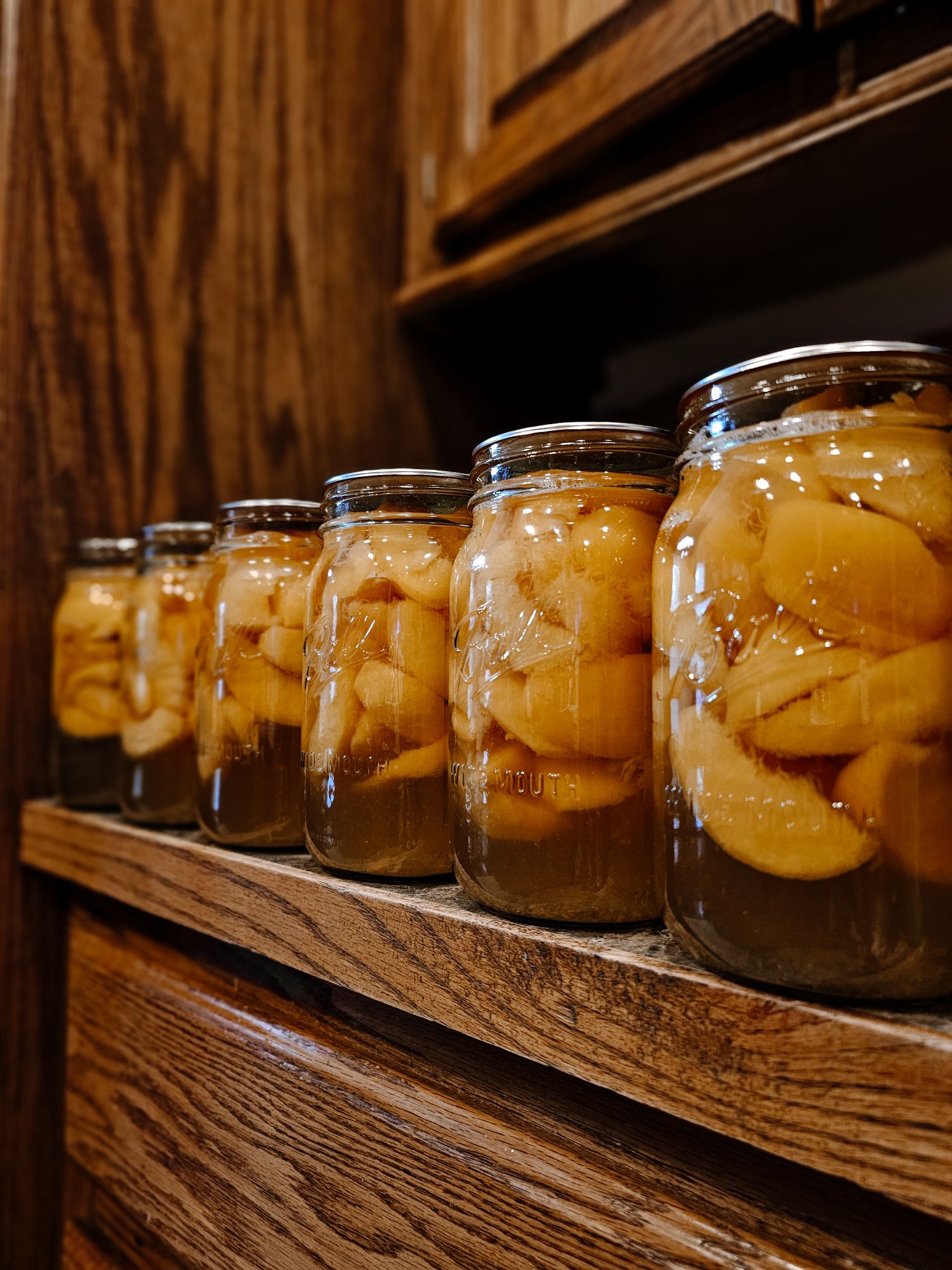
Canning is one of the best ways to preserve fresh food, but if you’re new to it, you probably have some questions! If you are not new to it than you know things are going happen! Whether you’re making homemade jelly, canning fresh tomatoes, or prepping pickles, understanding the science behind the process is key to keeping your food safe and delicious. Let’s tackle some of the most common canning questions!
1. Why Does Altitude Matter When Canning?
Your altitude affects the boiling point of water—and that impacts how long you need to process your jars to kill bacteria and ensure a proper seal. The higher the altitude, the lower the boiling point, meaning you may need to increase your processing time or adjust pressure levels when using a pressure canner.
Solution: Check an altitude adjustment chart before canning. Most recipes are designed for sea level, so if you live 1,000 feet or more above sea level, you’ll likely need to make adjustments.

2. Why Didn’t My Jelly Gel?
Nothing’s more frustrating than jelly that turns out runny instead of thick and spreadable! A few things could be the culprit:
- Not enough pectin (either naturally from the fruit or added)
- Not enough sugar, which helps pectin do its job
- Not boiling the jelly long enough for it to reach the correct temperature (usually 220°F)
- Overcooking or undercooking the mixture
Solution: If your jelly didn’t set, you can try reboiling it with additional pectin or sugar. Also, remember that some jellies take 24-48 hours to fully gel!
3. Why Is It Important to Sterilize Jars?
Sterilizing jars removes bacteria, yeast, or mold that could cause spoilage. While a proper water bath or pressure canning process will kill harmful pathogens, starting with clean jars helps prevent contamination before you even begin.
Solution: Wash jars in hot, soapy water and rinse well. For foods processed less than 10 minutes in a water bath, you must pre-sterilize jars by boiling them for 10 minutes. Otherwise, clean, hot jars are fine for most recipes.

4. What Can I Water Bath Can?
Water bath canning is safe for high-acid foods, meaning foods with a pH of 4.6 or lower. These include:
✅ Fruits (apples, peaches, berries, etc.)
✅ Jams, jellies, and fruit butters
✅ Pickles and relishes (because vinegar increases acidity)
✅ Tomatoes (with added lemon juice or citric acid)
❌ Do NOT water bath can low-acid foods like meats, beans, or plain vegetables—these must be pressure canned to eliminate botulism risk.
5. Why Does Acidity Matter in Canning?
Acidity is crucial in canning because it prevents the growth of botulism, a dangerous bacteria that thrives in low-acid environments. High-acid foods can be safely canned in a water bath, while low-acid foods must be processed at higher temperatures in a pressure canner.
Solution: If a recipe calls for lemon juice, vinegar, or citric acid, do not skip it! It’s there to ensure your food stays safe. Always follow tested recipes to avoid spoilage.


Leave a Reply